


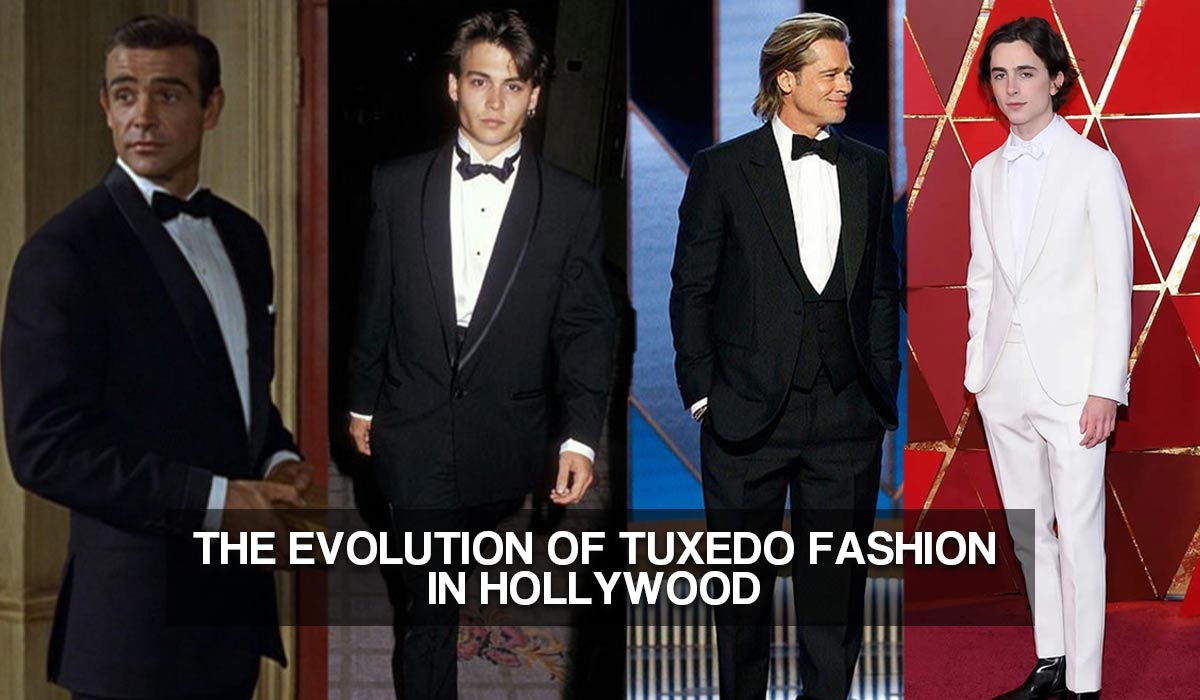
Tuxedos have been a cornerstone of Hollywood fashion for decades, symbolizing elegance, sophistication, and timeless style. From the golden age of cinema to the modern red carpet, the tuxedo has evolved in countless ways, reflecting changing tastes, cultural shifts, and the influence of iconic celebrities.
In this blog, we explore the fascinating journey of tuxedo fashion in Hollywood and how it continues to inspire trends in the world of fashion.
The Golden Age of Hollywood: Classic Elegance
During Hollywood’s golden age in the 1930s and 1940s, the tuxedo was synonymous with classic elegance.
Stars like Cary Grant, Humphrey Bogart, and Clark Gable set the standard for formal attire, often seen in impeccably tailored black tuxedos with satin lapels, crisp white shirts, and bow ties.
This era cemented the tuxedo’s status as the ultimate symbol of sophistication and charm, with minimal variations in style and a strong adherence to tradition.
Core Aspects:
- Black Tuxedos: The dominant color choice, symbolizing timeless sophistication.
- Satin Lapels: A luxurious touch that added a subtle sheen to the ensemble.
- Bow Ties: The classic accessory that completed the formal look.
The 1950s and 1960s: Introducing Flair
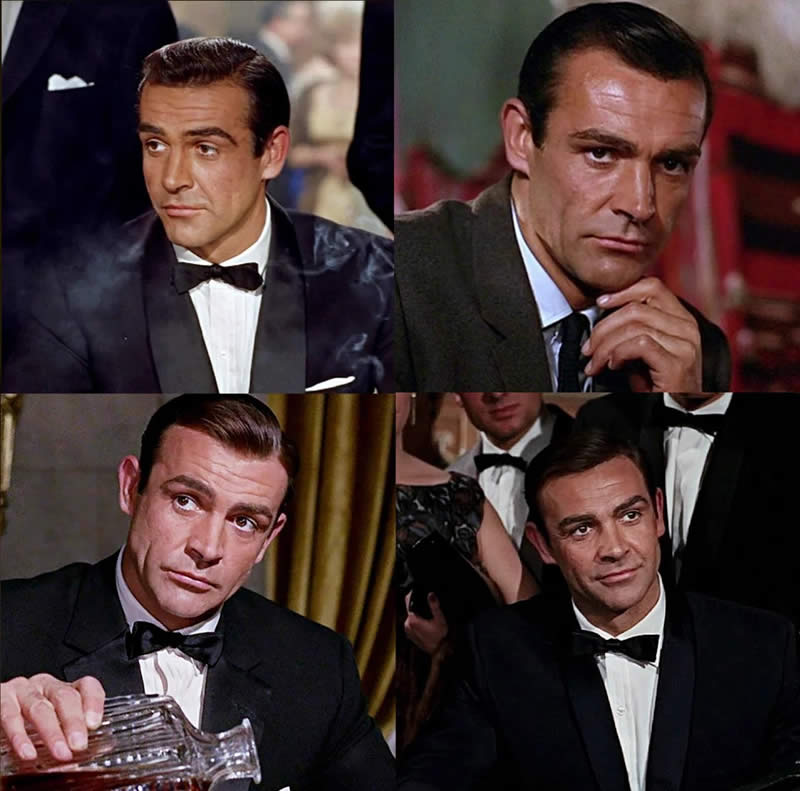
The 1950s and 1960s saw the tuxedo undergo subtle yet significant changes. Celebrities like Frank Sinatra and James Bond, portrayed by Sean Connery, began experimenting with different fabrics and colors.
Midnight blue tuxedos became popular, offering a stylish alternative to black. The introduction of slimmer cuts and shawl collars added a touch of modernity while retaining the tuxedo’s classic roots.
Core Aspects:
- Midnight Blue Tuxedos: An alternative to black, offering a sleek, modern look.
- Slimmer Cuts: A more tailored fit that emphasized a streamlined silhouette.
- Shawl Collars: A departure from traditional peak and notch lapels, adding variety.
The 1970s: Bold and Unconventional
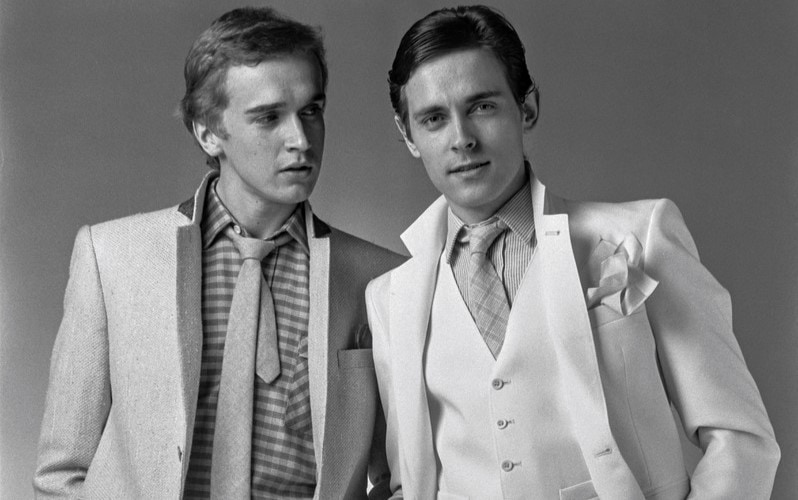
The 1970s brought a wave of bold and unconventional tuxedo styles. This era was marked by experimentation with colors, fabrics, and cuts, influenced by the broader cultural trends of the time.
Celebrities like John Travolta in “Saturday Night Fever” embraced vibrant hues, wide lapels, and flared trousers. The disco era’s flamboyance was reflected in the tuxedo designs, making them more eye-catching and expressive.
Core Aspects:
- Vibrant Colors: From bright whites to deep burgundies, tuxedos became more colorful.
- Wide Lapels: A nod to the bold fashion of the decade, making a strong statement.
- Flared Trousers: Adding a disco-inspired flair to the traditional tuxedo.
The 1980s: Power and Glamour
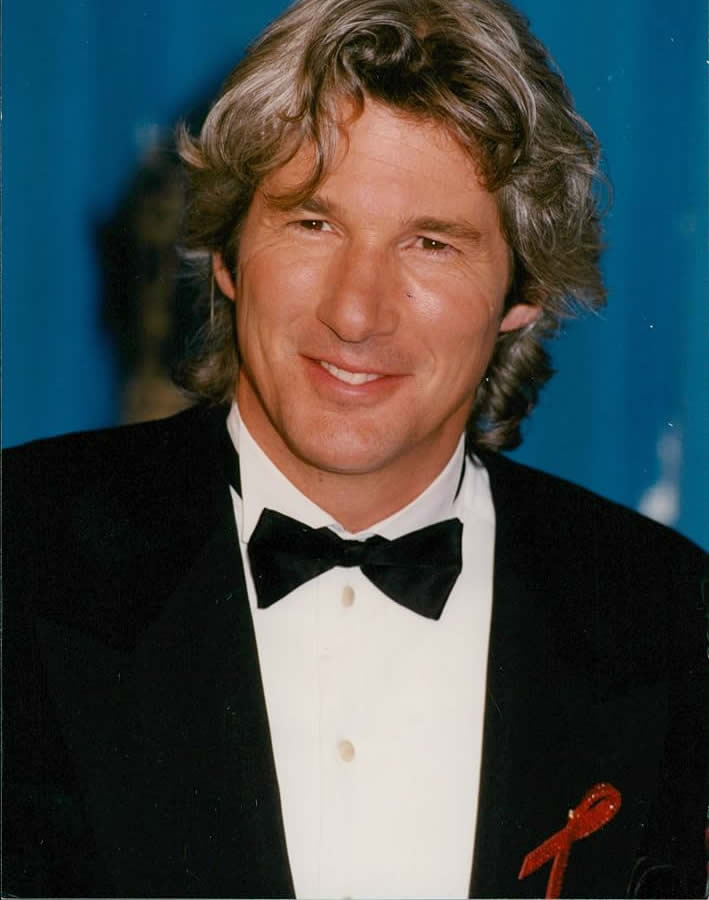
The 1980s saw a return to glamour and power dressing, with tuxedos becoming more structured and imposing. Influenced by the rise of corporate culture and the era’s larger-than-life personalities, tuxedos featured broader shoulders and sharper cuts.
Stars like Richard Gere in “American Gigolo” epitomized this trend, blending sophistication with a sense of authority.
Core Aspects:
- Broader Shoulders: Emphasizing a powerful, commanding presence.
- Sharp Cuts: Crisp lines and precise tailoring defined the tuxedo’s silhouette.
- Luxurious Fabrics: Silk and satin were popular choices, adding a touch of opulence.
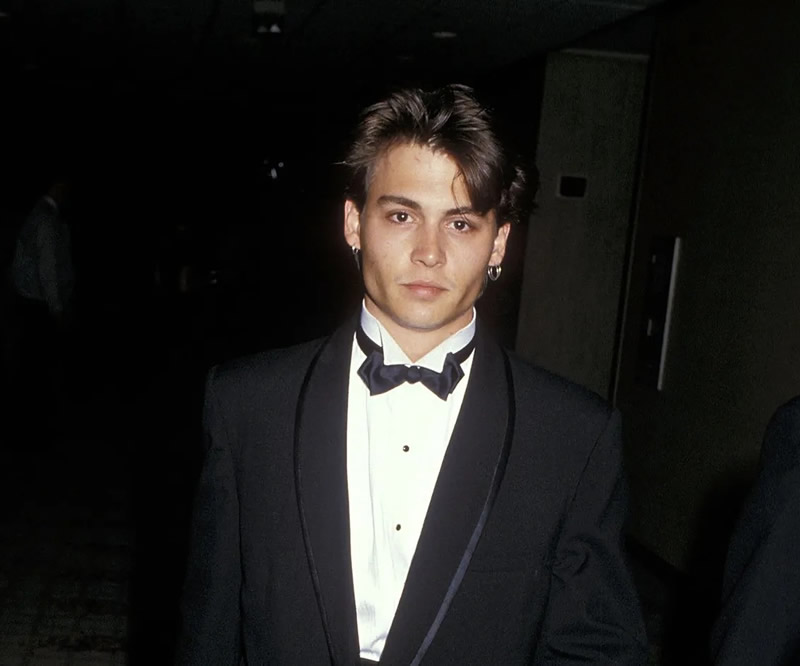
The 1990s: Minimalism and Relaxation
The 1990s ushered in a wave of minimalism and relaxed styles in tuxedo fashion. The era’s grunge and casual influences led to a more laid-back approach to formalwear.
Stars like Brad Pitt and Johnny Depp often opted for simpler designs, eschewing excessive embellishments. Black remained the dominant color, but the fit became looser, reflecting a more casual elegance.
Core Aspects:
- Simpler Designs: Minimalist styles with fewer embellishments.
- Relaxed Fits: Looser cuts that offered a more comfortable wear.
- Classic Black: Continuing the tradition of black tuxedos with a modern twist.
The 2000s: Modern Interpretations
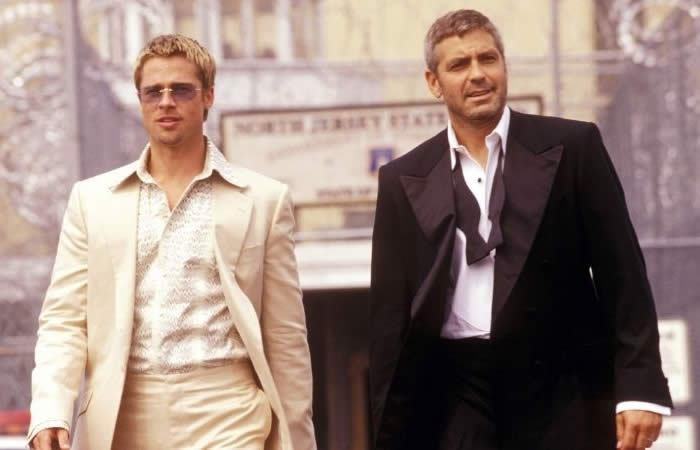
The new millennium brought modern interpretations of the tuxedo, blending classic elements with contemporary flair.
Celebrities like George Clooney and Leonardo DiCaprio embraced sleek, well-fitted tuxedos with subtle innovations.
Slim-fit tuxedos with narrow lapels became the norm, offering a fresh, youthful take on the traditional look. Accessories such as slim ties and pocket squares added personalized touches.
Core Aspects:
- Slim-Fit Tuxedos: Tailored to perfection for a modern silhouette.
- Narrow Lapels: A contemporary take on traditional lapel styles.
- Personalized Accessories: Slim ties, pocket squares, and unique cufflinks.
The 2010s and Beyond: Breaking Boundaries
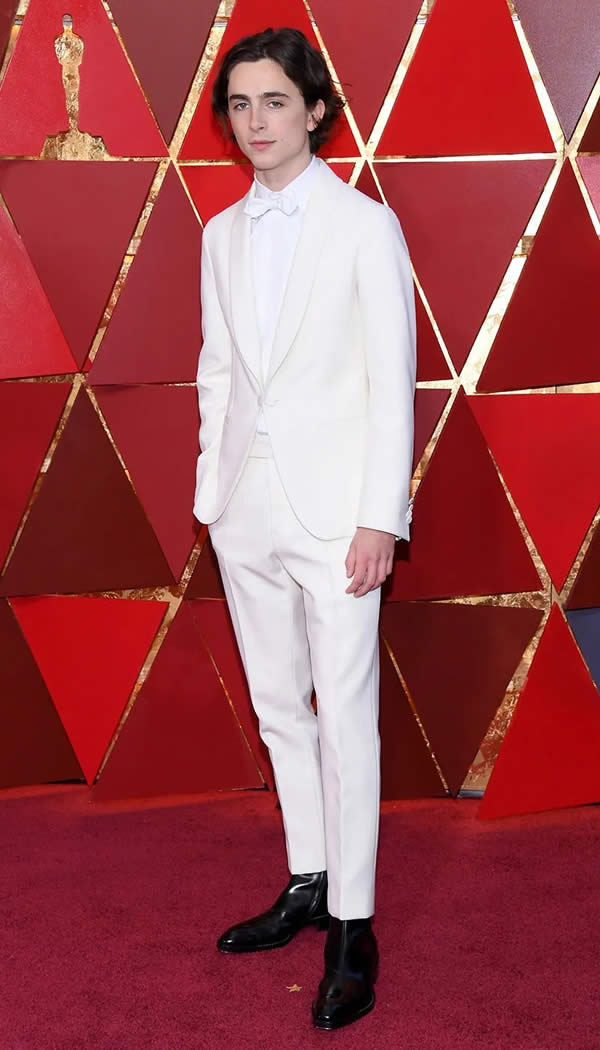
The 2010s and beyond have seen tuxedo fashion break traditional boundaries, with a significant influence from gender-fluid and inclusive fashion movements.
Stars like Billy Porter, Timothée Chalamet, and Janelle Monáe have redefined the tuxedo, embracing bold colors, unconventional cuts, and even tuxedo gowns. This era celebrates individuality and self-expression, with tuxedos becoming a canvas for personal style.
Core Aspects:
- Gender-Fluid Designs: Tuxedos that challenge traditional gender norms.
- Bold Colors and Cuts: Embracing vibrant hues and unique silhouettes.
- Self-Expression: Tuxedos as a means of showcasing personal style and identity.
The 2020s: Sustainable and Inclusive Fashion
The 2020s have brought a focus on sustainability and inclusivity in tuxedo fashion. Celebrities are now choosing eco-friendly materials and ethical brands, making statements not just with style but with their commitment to the environment.
Additionally, the tuxedo has continued to evolve to be more inclusive, with designs that cater to all body types and gender identities. Stars like Emma Watson and Ezra Miller have been at the forefront of this movement, showcasing how the tuxedo can be both stylish and socially conscious.
Core Aspects:
- Sustainable Materials: Eco-friendly fabrics and ethical production practices.
- Inclusive Designs: Tuxedos that cater to diverse body types and gender identities.
- Social Consciousness: Fashion choices that reflect a commitment to environmental and social issues.
The evolution of tuxedo fashion in Hollywood reflects broader changes in society, culture, and individual expression. From the classic elegance of the golden age to the bold and inclusive designs of today, the tuxedo remains a dynamic and enduring symbol of style.
As we look to the future, the tuxedo will undoubtedly continue to evolve, inspiring new trends and celebrating the diverse ways in which we express ourselves through fashion.
Whether you’re looking to embrace the timeless sophistication of a classic tuxedo or experiment with modern, unconventional designs, the rich history of tuxedo fashion in Hollywood offers endless inspiration.
Shop online to find the perfect tuxedo that captures your unique style and makes a statement at any event.

