


As the renowned designer Michael Kors once stated, “A man in a well-tailored suit will always shine brighter than a guy in an off-the-rack suit”. This sentiment highlights that the proper fit of a garment is just as crucial to its overall appearance as the material or style. When aiming for that perfect silhouette, understanding how to measure suit sleeve length is the single most important detail to master.
Getting the sleeve length wrong results in one of two poor outcomes: a jacket that looks oversized and hangs off your body, or one that is too small, making you look like you’re trying to force “a child’s jacket over an adult body”. Since neither look is desirable, grasping the proper suit jacket sleeve length is essential.
Understanding Proper Sleeve Length
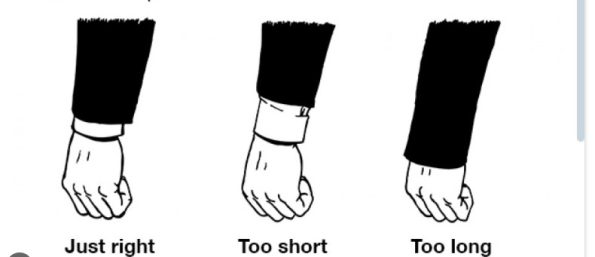
Determining the appropriate sleeve length is more complex than simply measuring the length of your arm, as factors such as your shirt must also be considered.
What Is the Rule of Thumb?
According to GQ Magazine, a suit sleeve should display about half an inch of the shirt’s cuff. Essentially, the suit sleeve stops just short of the wrist. The sleeve should be long enough that you can cup it in your hands easily, but not so long that it completely overshadows the shirt underneath.
For example, if a groom is standing in profile during his wedding vows with his arms down by his sides, that half-inch of shirt cuff should be visible, ending directly on the wrist. Applying this “half an inch” rule to every suit purchase will ensure you have the correct length.
Why Sleeve Length Is a Game of Inches
Achieving the right fit truly comes down to a game of literal inches.
- Sleeve Is Too Long: If the blazer sleeve extends past the wrist and drapes over the hand, it looks oversized, even if the rest of the suit fits perfectly. This excess material will require constant adjustment throughout the day.
• Sleeve Is Too Short: This is the opposite problem: the cuff sits too far up the arm, which is a “recipe for bunching”. Every time the wearer bends their arm, the cuff is sent further up, forcing them to spend time pulling the sleeve back down. This mistake makes the wearer look like they “tried to squeeze too much man into too little material”.
Measuring Your Sleeve Length
Because the ideal length varies depending on individual size, you must measure yourself properly to find the correct length.
Tools and Preparation
Only one tool is needed: a measuring tape. However, there is a crucial caveat: the tape must be flexible, like a standard tailor’s tape. Attempting to measure with a solid tape will result in inaccurate measurements because it cannot curve to match the body’s contours.
The Two-Part Measurement Process
We Provide easy measurement guide .To find your ideal suit coat sleeve length, you will take two measurements and add them together:
- First Measurement: Place one end of the tape at the center back of your neck and measure to the end of your shoulder. Write this measurement down.
- Second Measurement: Adjust the tape so that the end is now placed at the end of the shoulder. Allow for a slight bend in the elbow, and measure down to your wrist bone. The wrist bone is targeted because this is where the shirt sleeve should sit.
Adding these two measurements together gives you the sleeve length for your dress shirt, which needs to sit on the wrist bone. To find the measurement for your suit jacket, you must subtract half an inch from the combined shirt measurement. This calculation ensures the required half-inch of shirt cuff will show.
Common Mistakes to Avoid
Even though the process seems simple, several common errors can throw off your final measurement:
- Using a Hard Measuring Tape: This will only provide an approximate measurement for your sleeve.
- Measuring over Clothes: Clothes add extra thickness, making the arm appear larger than it is. It is recommended to measure while topless or trust a tailor to account for the thickness of clothing.
- Keeping the Arm Perfectly Straight: Since you rarely stand with straight arms, the arm should have a slight bend while measuring.
- Measuring Too Tight or Too Loose: The tape must match the curvature of your arm. Pulling the tape too tightly creates a straight line, while holding it too loose adds excess inches to the size.
- Not Double-Checking: As tailors often say, “Measure twice, cut once”.
When to Consult a Tailor
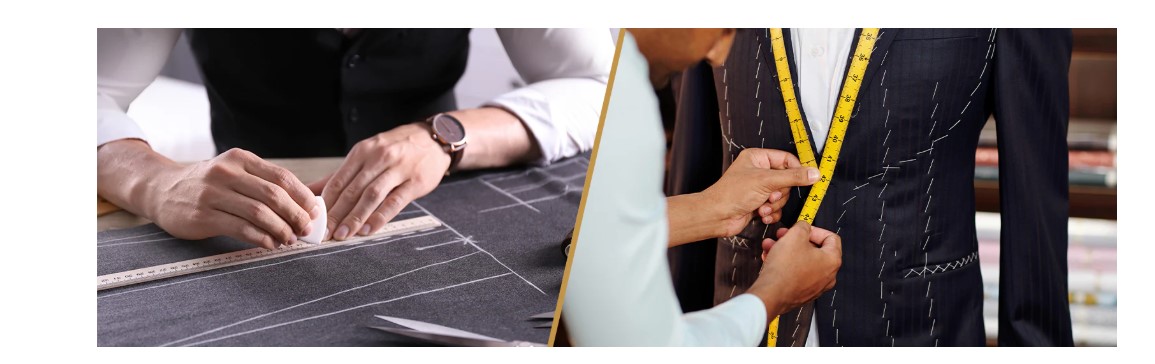
If you are unsure whether you have found the proper suit jacket sleeve length, the general rule is to work with a tailor.
Off-the-Rack vs. Made-to-Measure
Buying an off-the-rack suit is not a fault. However, you must account for the fact that it will not offer a perfect fit immediately. The suit needs to at least mostly fit you properly. Sleeves that are slightly too long can be shortened, but a tailor cannot “magically transform a suit that doesn’t fit into one that does”.
Conversely, a made-to-measure suit is based entirely on measurements taken by a tailor. The tailor measures every part of your upper body, and the resulting jacket is made specifically for you rather than being an approximation of your body type.
Alteration Possibilities and Costs
A good tailor can alter sleeves to an extent. Lengthening is possible, though it is limited by the amount of fabric available inside the sleeve, from the cuff up to the start of the lining. Shortening is generally a simpler alteration, but the tailor must ensure that shortening the sleeve does not bring functional buttonholes too close to the edge, which can create an “odd look”.
According to Yelp, the cost of suit alterations typically falls between $18 and $80, with an average cost of $41. This allows for minor adjustments if your suit does not fit quite right. However, remember that tailors are not “miracle workers”. If the suit is far from fitting your body, it may be more practical to buy a new jacket than pay for an extreme number of adjustments.
Additional Considerations for the Perfect Sleeve
Before finalizing your purchase, keep two additional factors in mind:
French Cuffs and Barrel Cuffs
The type of shirt cuff you wear impacts the necessary suit sleeve length.
- Barrel Cuffs: This is the most common cuff type—a single band secured by a button. When wearing barrel cuffs, the suit sleeve length correlates directly with the shirt you buy.
- French Cuffs: These are often seen on dress shirts for formal events, using cufflinks. French cuffs fold into themselves, adding extra material that must be accommodated. As a result, the ideal suit sleeve length for a shirt with French cuffs will be a touch longer than one with barrel cuffs.
Sleeve Length Versus Jacket Size
While most suit jackets are sized (S, M, L) based on sleeve length, this practice presents a problem: your sleeve length may not correlate with your chest or stomach size. You cannot assume that two people with the same chest size will necessarily have the same sleeve length.
Therefore, do not rely on a single measurement to achieve the perfect fit. While you should start with the sleeves and tailor toward them, remember that a jacket with an inappropriate length or chest size will look either bulky or too tight.
Finding Your Perfect Fit
A well-fitting sleeve is the most important first step to getting a perfect suit for work or a suit for wedding. Now that you know how to measure your arm to find the right sleeve length, it’s best to talk to a tailor if you’re not sure.
All that’s left is to find the right suit for you.
Explore Our Custom Suits Collection to get a Perfect fit

